Worldview
Ultimate reality, divinity, revelation, cosmogony and the human condition.
A World Humanism Forum Research Project
A public, comparative and source-transparent research project for understanding how religions and non-religious worldviews interpret reality, human life, society and one another.
Fra Mauro’s World Map, c. 1450 · Biblioteca Nazionale Marciana · Public Domain ↗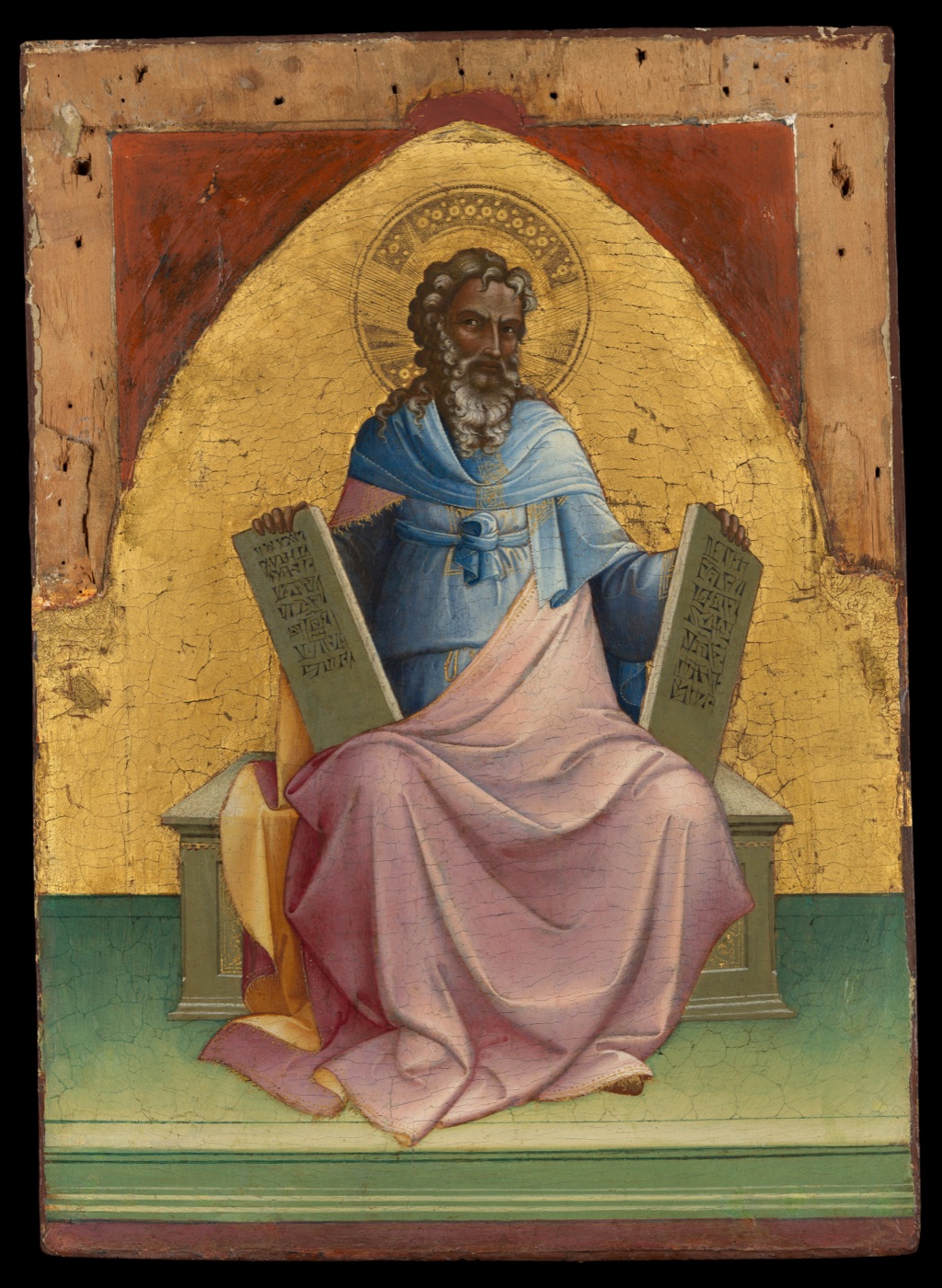 MosesLorenzo Monaco, c. 1408–10The Met · Public Domain ↗
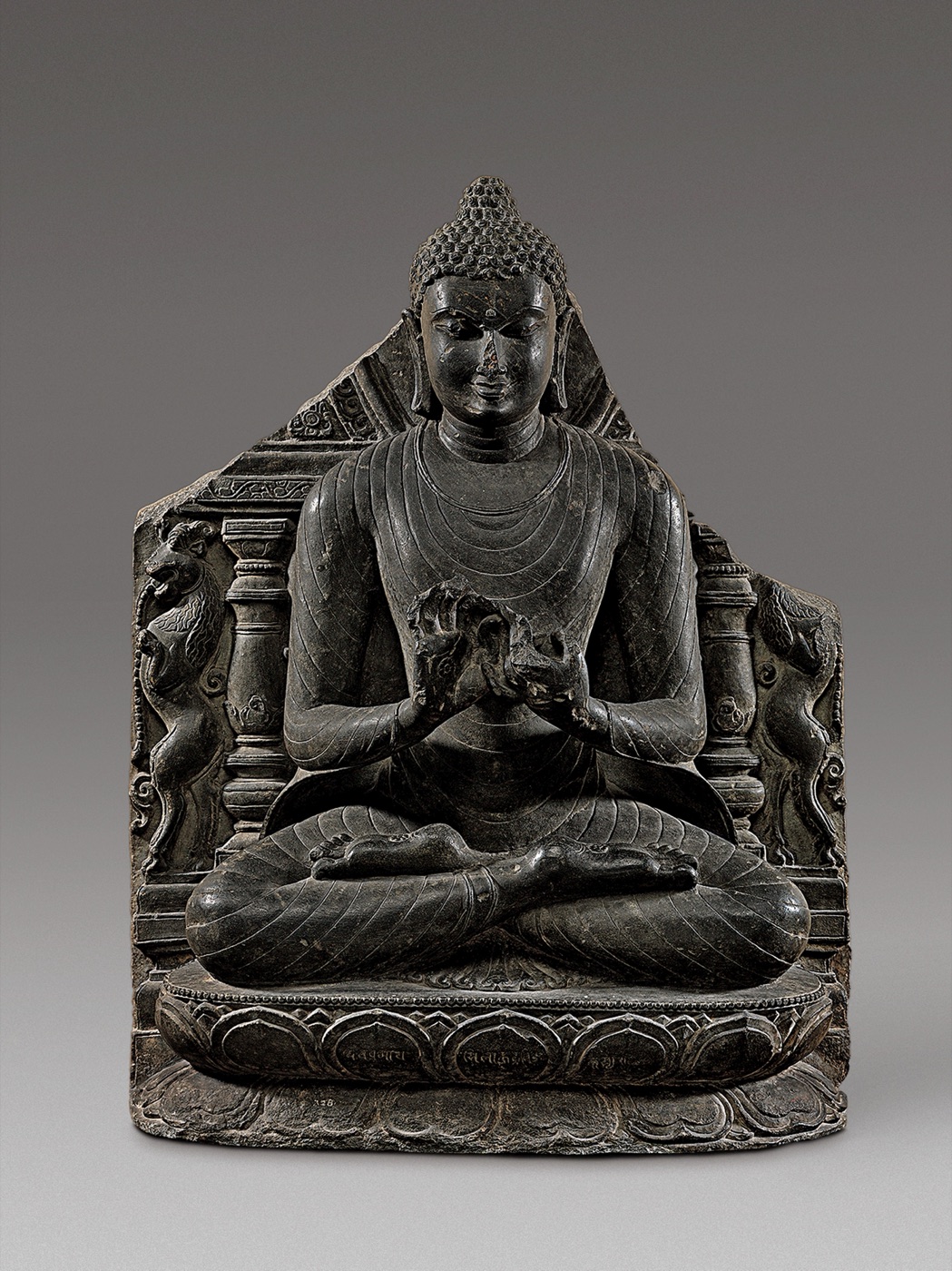 The Buddha preaching at SarnathCentral India, 11th centuryThe Met · Public Domain ↗
 Guru Nanak with followersPunjab, c. 1800–25Wikimedia Commons · Public Domain ↗
Understanding Religions is a work in progress and, in a deeper sense, a never-ending work. Religions and worldviews are living, internally diverse and continually reinterpreted. What you see is a transparent stage in an open research process, not a finished encyclopedia. We are just getting started, and we count on contributions from scholars, institutions, practitioners and readers everywhere.
Understanding religions is one of the keys to understanding civilizations and humanity.
Religion has been, and remains, too important a dimension of human experience to be treated as a specialist subject or reduced to private belief. It participates in how communities interpret existence, transmit memory, imagine moral responsibility, organize collective life and encounter people whose convictions differ from their own.
For the World Humanism Forum, understanding religions is part of learning to think humanity in its complexity. The Forum brings civilizations, disciplines and generations into conversation because no culture and no system of knowledge can explain the human condition alone.
This direction is inspired by Edgar Morin's vision of complex thought. Morin asks education to reconnect fragmented knowledge, confront uncertainty, recognise humanity's unity and diversity, and cultivate understanding as a condition of human solidarity and planetary citizenship.
Understanding Religions translates that vision into a public research tool. It places beliefs, histories, texts, institutions, laws and lived practices in relationship without reducing one to another. It helps readers understand both the differences among traditions and the shared planetary condition in which those traditions encounter one another.
Religious understanding can therefore help people move beyond stereotypes, distinguish a foundational text from its interpretation, an institution from an entire community and faith from its political use. The goal is not agreement, but more knowledgeable and responsible disagreement.
The project uses a non-devotional, comparative method. Neutrality does not mean pretending that every interpretation is equally supported. It means identifying who is speaking, separating description from evaluation, applying the same evidentiary standards and making disagreement visible.
Every answer labels its evidence layer: foundational text, named institution, scholarly interpretation, law, demographic evidence or lived practice. The World Humanism Forum is responsible for the editorial synthesis, but it does not speak on behalf of a religion or non-religious worldview.
Edgar Morin's influence appears in the method, not as decoration. Knowledge is reconnected rather than fragmented; unity and diversity are considered together; historical change and contradiction remain visible; uncertainty is named; and understanding another position is never confused with endorsing or excusing it.
Understanding Religions is designed for people who want a reliable introduction without needing specialist knowledge. It makes complex histories, beliefs and practices understandable while preserving differences within every tradition.
The project distinguishes foundational texts, institutional teaching, schools of interpretation, law, demographic evidence and lived practice. It does not present any religion as a single voice, rank traditions by value or turn disagreement into false equivalence.
Public working edition · continuous review
The research cycle covers Christianity, Islam, Hindu traditions, Buddhism, Judaism, Sikhism, Jainism, the Bahá’í Faith, Shinto, Daoism and Confucian traditions.
Islam also opens into independently selectable Sunni and Shi'a profiles. They can be compared side by side while remaining clearly identified as major, internally diverse traditions within Islam rather than as two unrelated religions.
Secular humanism, atheism and agnosticism appear beside religions as non-religious worldviews or positions. The interface states where comparison is meaningful and where these categories do not provide a complete doctrine, institution, ritual system or shared ethic.
Each profile follows the same visible questions while allowing tradition-specific concepts to retain their own meanings.
Ultimate reality, divinity, revelation, cosmogony and the human condition.
Origins, earliest evidence, formation, branches, reform and geographic development.
Prayer, worship, ritual, obligations, festivals, pilgrimage, food and daily life.
Marriage, family, women, leadership, sexuality, gender, law and the state. Every statement is scoped by branch, place and period.
Sources have histories too
Objects illuminate how traditions preserve and interpret texts. They do not stand in for an entire religion.
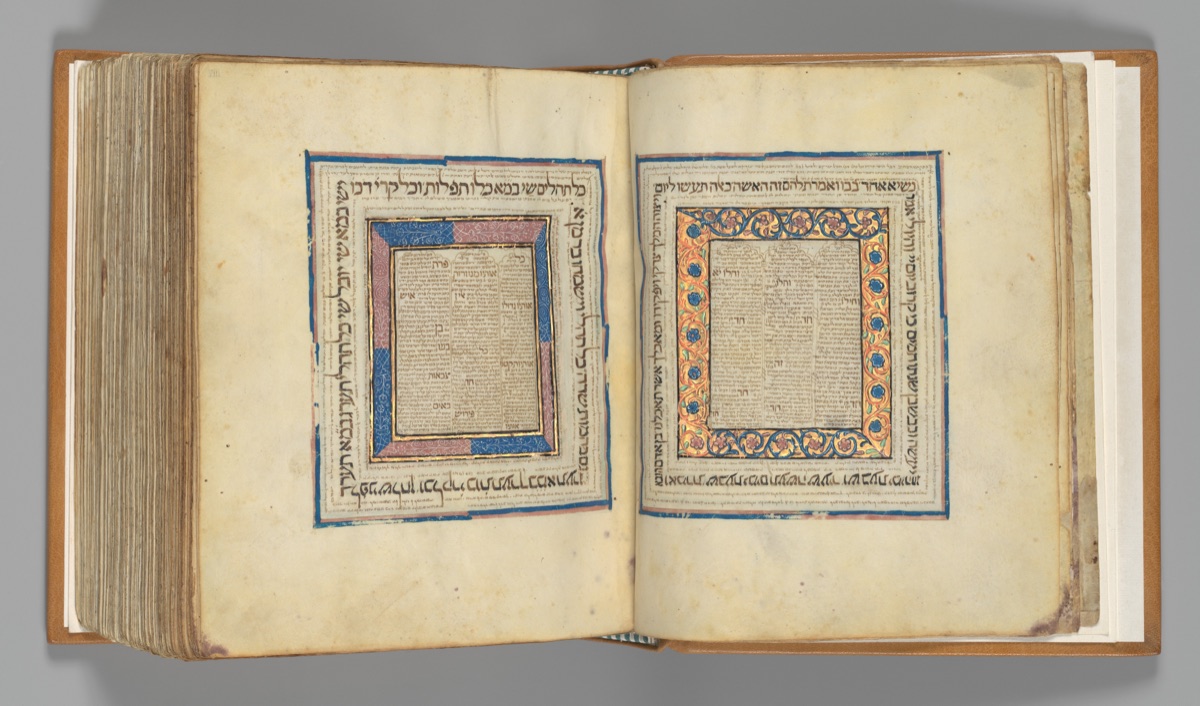 JudaismHebrew BibleSpain, c. 1300–50 · The Met · Public Domain ↗
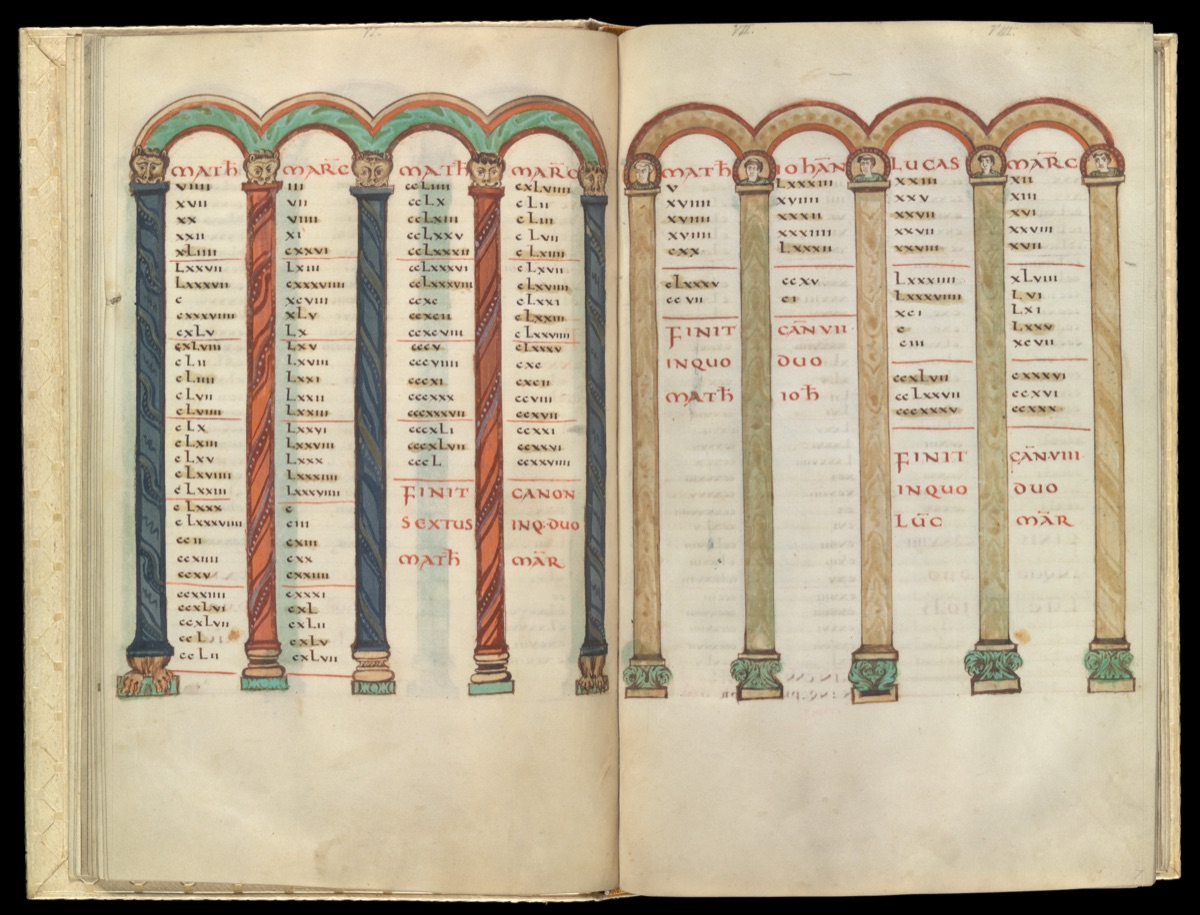 ChristianityGospel BookCarolingian, c. 825–50 · The Met · Public Domain ↗
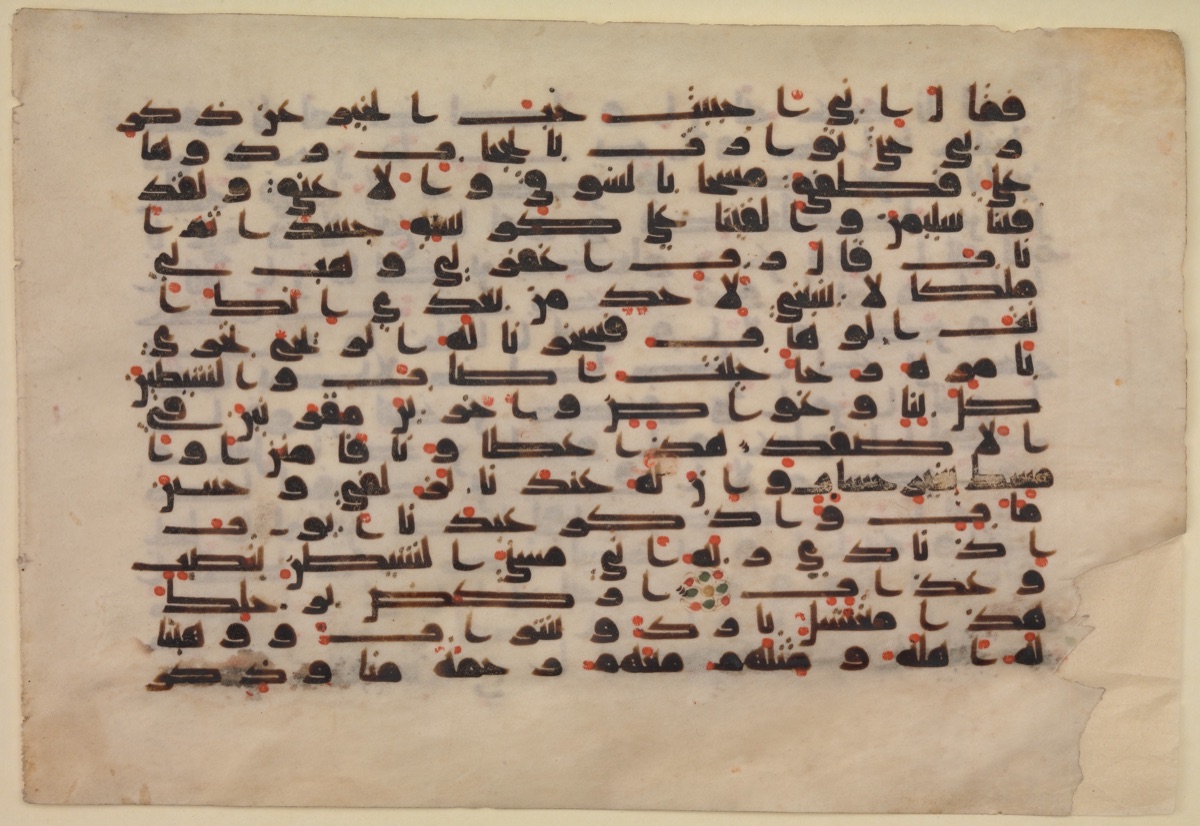 IslamQur’an folio8th–9th century · The Met · Public Domain ↗
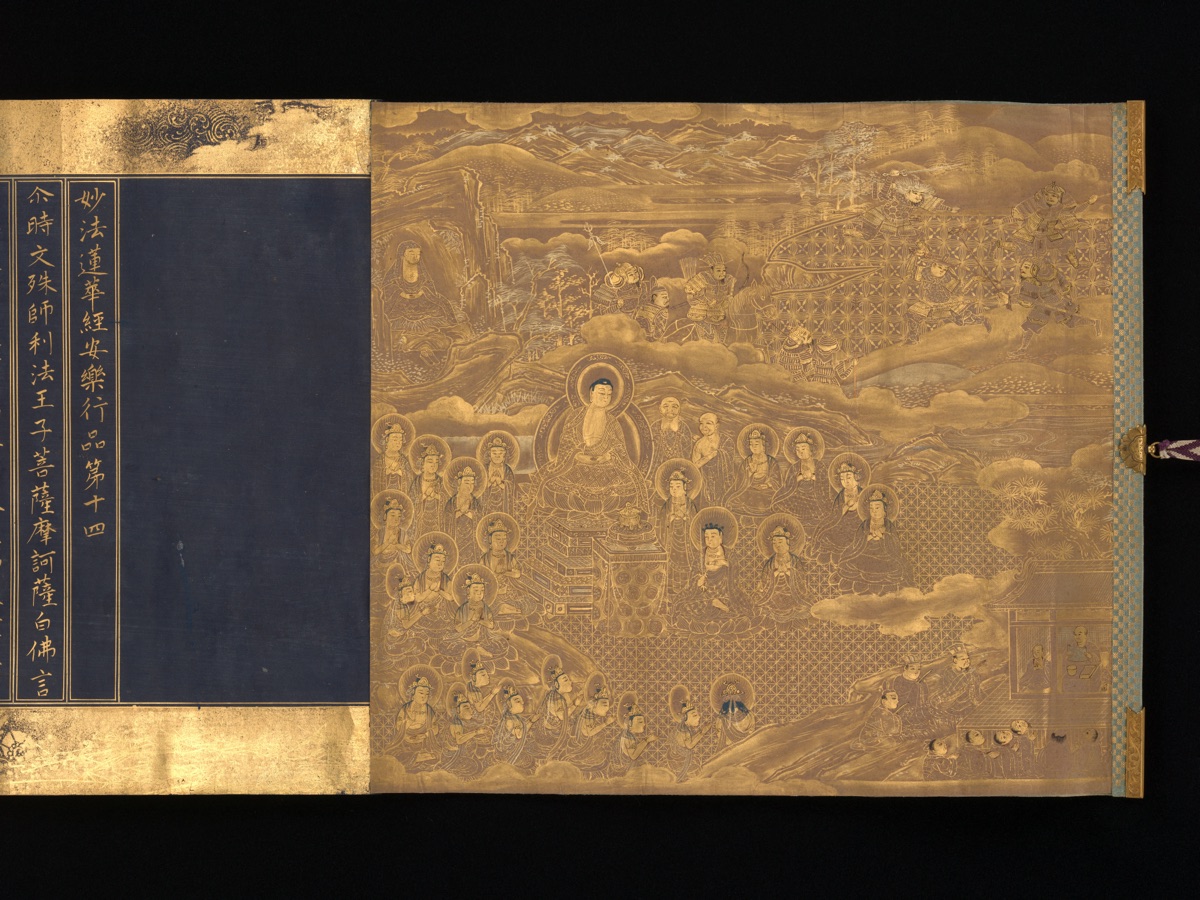 BuddhismLotus SutraJapan, c. 1667 · The Met · Public Domain ↗
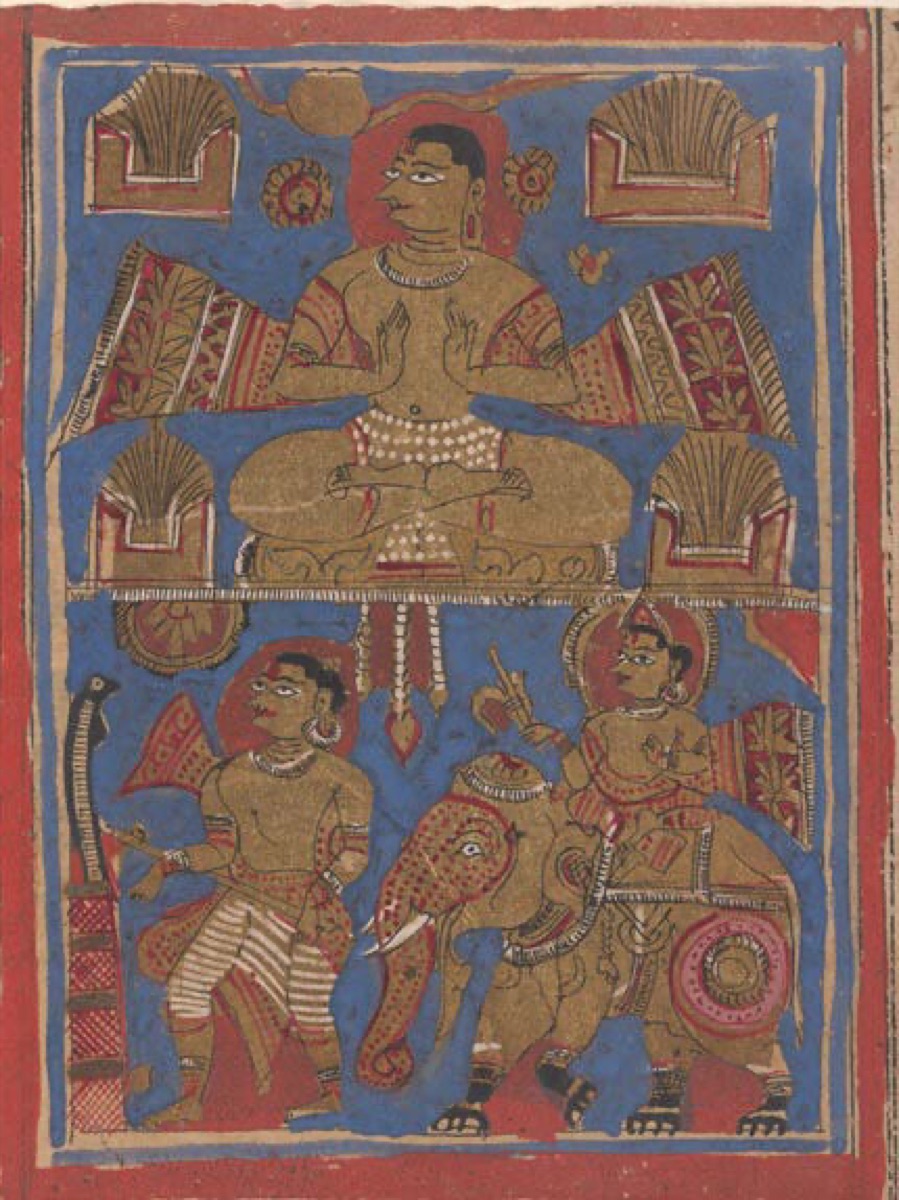 JainismKalpasutra manuscriptWestern India, 15th century · The Met · Public Domain ↗
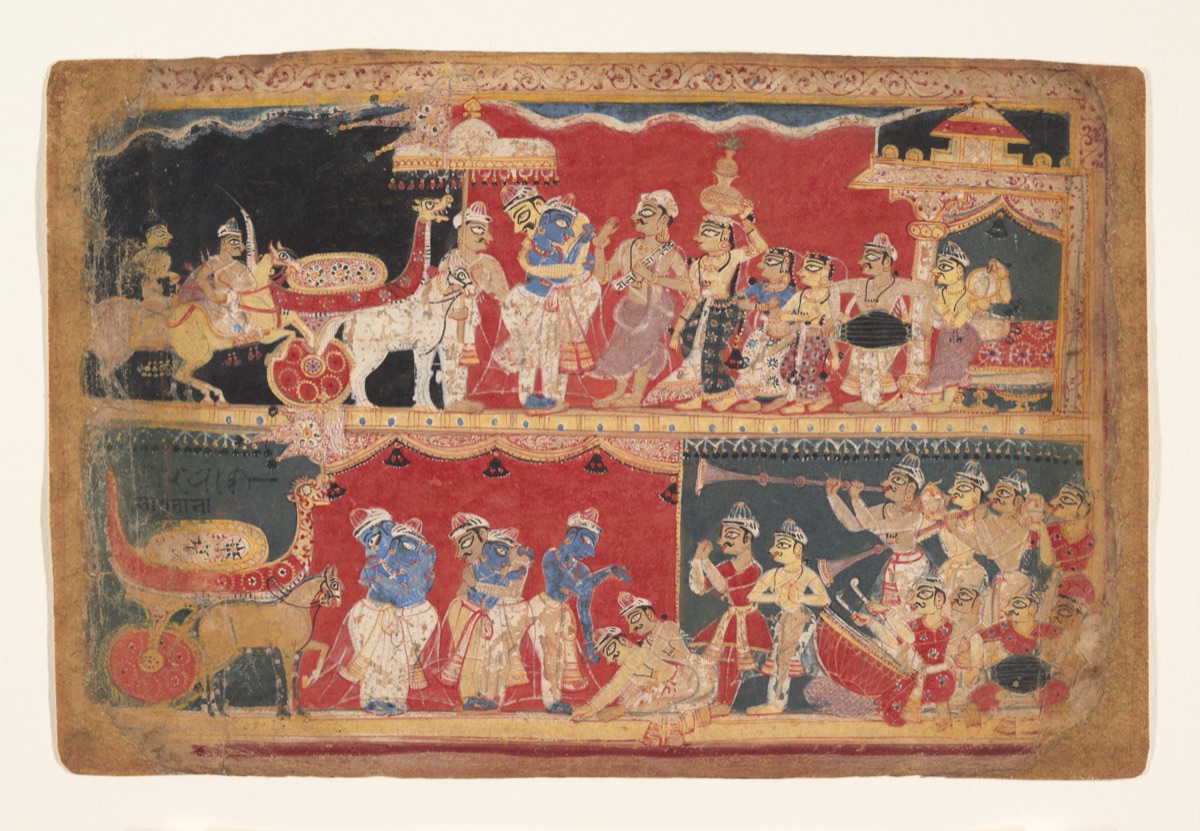 Hindu traditionsBhagavata PuranaIndia, c. 1520–40 · The Met · Public Domain ↗
The comparison tool places two to four traditions side by side through clearly defined parameters. Ten core questions now cover ultimate reality, cosmos, the human condition, sacred time, texts, authority, practice, ethics, belonging and life after death.
Separate views examine branches, history, concepts, figures, society, everyday life, public life, demography, geography and interreligious dialogue. Every comparison states its limits; demographic comparisons display the source, period, measurement and uncertainty.
The same question explored through appropriately scoped evidence.
Traditional dating, documentary evidence and institutional formation shown separately.
Affiliation and change presented with definitions, dates and methodological limits.
Five-minute orientations with pathways into deeper, sourced exploration.
Compare traditions, follow historical timelines and inspect the sources. The research environment loads when you reach this section.
Research corpus reviewed 30 July 2026
The same research architecture now applies across every selectable profile. Shared questions create comparability, while each answer preserves its own concepts, branches, institutions and evidence limits.
Sunni Islam and Shi'a Islam remain independently selectable and separately researched throughout the product. Shared Islamic foundations are named as shared; differences in post-prophetic authority, jurisprudence, institutions, devotion and historical memory remain visible.
The present expansion adds 120 long-form comparative research records and 168 Atlas records across all fifteen profiles. These records expose branch, region, period, evidence grade, current source and corroborating source instead of hiding those distinctions behind a single summary.
Cosmos, ultimate reality, the human condition, time, texts, authority, practice, ethics, belonging and death.
Internal diversity, history, concepts, figures, society, everyday life, public life and dialogue.
Demography and geography appear only where comparable evidence exists; an unavailable measure is labelled rather than invented.
Every profile links to an authoritative starting source and a second academic, primary, institutional or legal source with its scope identified.
One transparent research path
Define one answerable question.
Name tradition, branch, place and period.
Separate text, institution, scholarship, law and lived practice.
Keep qualified differences visible.
Record confidence, date and reviewer route.
Compare only what the evidence can support.
A dedicated area documents encounters, declarations, institutions and common action across religions and with non-religious worldviews.
The 2019 Document on Human Fraternity was signed in Abu Dhabi by Pope Francis and Ahmad al-Tayyeb, Grand Imam of al-Azhar, one of the most influential institutions of Sunni learning. The project records it as a signed Christian-Muslim declaration, not simply as a meeting.
The 2021 encounter in Najaf brought Pope Francis together with Grand Ayatollah Ali al-Sistani, a pre-eminent marjaʿ in Twelver Shi'a Islam. It is documented from both al-Sistani's office and the Holy See.
The wider record includes the 1893 Parliament, the multi-religious Kyoto Declaration and Religions for Peace, the Assisi gathering, Toward a Global Ethic, A Common Word, the United Nations World Interfaith Harmony Week and the 2023 Seventh Buddhist-Christian Colloquium.

Dialogue becomes a record
Sources are not confined to a bibliography. Every new comparative and Atlas record opens its current evidence route in context; earlier summary answers link to their profile-level source corpus while exact claim locators continue to be added.
The evidence panel identifies scope, evidence type, tradition or branch, confidence and review date. Exact page, verse, paragraph and dataset locators are being added progressively. When qualified sources disagree, the disagreement remains visible. A source link makes a claim checkable; it does not by itself make the claim final or universally accepted.
Foundational texts and named institutional positions.
Peer-reviewed scholarship and specialist reference works.
Censuses, surveys and datasets with transparent methodology.
Scholarly, practitioner, comparative, sensitivity and accessibility review.
What every evidence panel should tell you
Web research system active
On the web, Understanding Religions is a research project of the World Humanism Forum and is immediately accessible on computers, iPhone and Android. A future independent mobile application can use the same reviewed knowledge, comparisons and source verification.
The Forum chapter and the app will use one governed knowledge base so that corrections, reviews and new evidence remain consistent everywhere.
One Planet. Many Civilizations. One Shared Destiny.